Stroke (Ischemic, Hemorrhagic)
At MediRehab, we understand that a stroke is not just a medical encounter; it's a life-altering moment for both the individual and their loved ones. We own this mission to assist you in your recovery through expert care, state-of-the-art technology and caring support in regaining control over your life and accomplishing goals that may have appeared impossible prior to experiencing the stroke.


Our Rehabilitation Approach for Stroke
Our neurorehabilitation approach harnesses the brain's innate ability to rewire (neuroplasticity) through highly personalised, intensive programs. Each recovery plan is built from a comprehensive assessment and focused on your specific goals, from daily tasks to personal milestones. We combine repetitive, task-specific training with holistic physical, cognitive, and emotional support, while actively engaging your family as partners to ensure lasting progress beyond our care.

Multidisciplinary Rehabilitation Team
- Neurologist / Stroke Physician
- Physiotherapist
- Occupational Therapist
- Speech & Language Therapist
- Clinical Psychologist
- Nutritionist

Physical & Functional Rehabilitation
- Gait & Balance Training
- Constraint-Induced Movement Therapy (CIMT)
- Task-Oriented Training
- Strength & Coordination Exercises
- Vestibular Rehabilitation

Advanced Rehabilitation Technologies
- Robotic Exoskeletons & Arm Devices
- Body Weight Support Treadmill Systems
- Virtual Reality (VR) & Interactive Gaming
- Functional Electrical Stimulation (FES)
- Neurofeedback & Brain-Computer Interfaces
Rebuild strength from anywhere—book your online rehab consultation and receive a personalised neuro-rehab plan for lasting recovery.
Book Online TeleconsultationOur Centres of Excellence in Neurorehabilitation
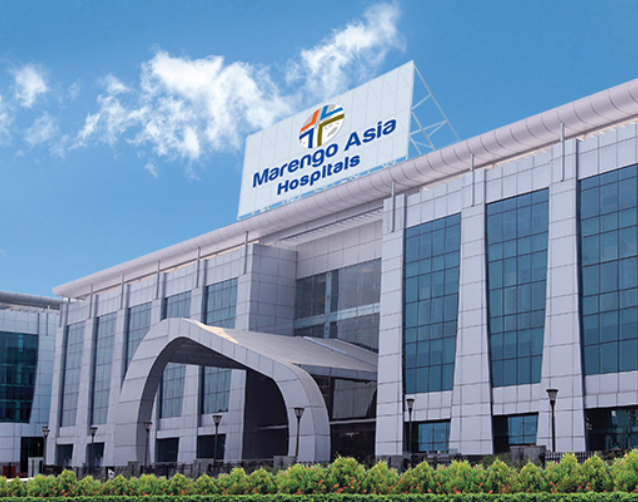
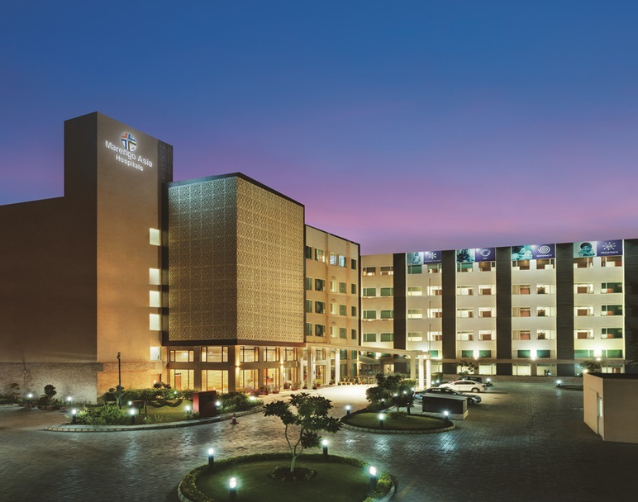
Access our World Class Stroke Rehabilitation
Our team of champions
Our team has gained substantial experience in treating stroke patients worldwide.


Please Enquire
Tell us what you're looking for — we'll get back quickly.
Understanding Stroke
A stroke, often called a "brain attack," occurs when the blood supply to part of the brain is interrupted or severely reduced. Within minutes, brain cells begin to die due to lack of oxygen.
Common Causes:
- Ischemic Stroke (~87% of cases): Caused by a blockage in an artery, usually from a blood clot.
- Hemorrhagic Stroke: Caused by a burst blood vessel leaking into or around the brain, often due to uncontrolled high blood pressure or an aneurysm.
- Transient Ischemic Attack (TIA): A "warning stroke" or "mini-stroke" with temporary symptoms. It is a critical warning sign of a future major stroke.
Why Rehabilitation is Critical After a Stroke
The brain is resilient. In the weeks and months following a stroke, the brain is in a unique state of heightened plasticity. Intensive, guided rehabilitation during this optimal window is essential to:
- Re-wire the Brain: Encourage healthy parts of the brain to take over functions lost from damaged areas.
- Prevent Complications: Counteract muscle atrophy, joint contractures, and pneumonia.
- Maximize Functional Recovery: Regain the highest possible level of independence in daily activities.
- Improve Quality of Life: Address the emotional and psychological impact, reducing the risk of post-stroke depression and fostering community reintegration.
Signs & Symptoms of Stroke (Remember FAST)
Every second counts. If you observe any of these sudden symptoms, call emergency services immediately.
- F – Face Drooping: Does one side of the face droop or is it numb? Ask the person to smile.
- A – Arm Weakness: Is one arm weak or numb? Ask the person to raise both arms. Does one drift downward?
- S – Speech Difficulty: Is speech slurred, strange, or hard to understand? Ask the person to repeat a simple sentence.
- T – Time to Call Emergency Services: Note the time symptoms first appeared.
Other Sudden Symptoms:
Severe headache with no known cause, sudden confusion, trouble seeing in one or both eyes, sudden trouble walking, dizziness, loss of balance or coordination.
Coordinated Neurorehabilitation After Stroke
Our stroke specialists collaborate directly with your neurologist, hospital team, and therapists to ensure integrated recovery focused on:
- Secondary Prevention: Managing blood thinners, hypertension, cholesterol, and diabetes to significantly reduce the risk of another stroke.
- Deficit-Specific Therapy: Targeted rehabilitation for motor control, speech (aphasia), swallowing, cognition, and emotional changes.
- Advanced Intervention Support: Guidance on indications for post-acute treatments like spasticity management, neuromodulation, or advanced gait training.
When Should You Start Stroke Rehabilitation?
Early, intensive therapy, often beginning within 24 to 48 hours of medical stability, is critical to harness the brain's natural healing window (neuroplasticity) and can significantly improve functional recovery.
Recovery depends on the stroke type, severity, brain area affected, and how quickly and intensely rehabilitation begins.
- Immediate (0–3 months): Acute care, prevention of complications, and initiation of intensive rehab (physio, occupational, speech therapy) to leverage maximal neuroplasticity.
- Short-term (3–6 months): Significant gains in movement, speech, and daily skills; focus on relearning walking, arm use, and communication.
- Mid-term (6–12 months): Refined motor skills, improved balance and endurance, and return to modified daily activities and roles.
- Long-term (more than a year): Continued gradual improvement, adaptation to residual deficits, community participation, and risk reduction for recurrent stroke.
Expected outcomes include regained mobility and speech, improved cognitive function, greater independence in daily tasks, and a return to meaningful activities.
Get a Custom Plan
Rebuild strength from anywhere—book your online rehab consultation and receive a personalised neuro-rehab plan for lasting recovery.
Contact Us