
Spinal Cord Injury
At MediRehab, we realize that a Spinal Cord Injury (SCI) is not only a physical trauma—it's a life-altering event that affects mobility, independence, mental health, and daily functioning. Our goal is to support you on your path by offering individualized therapy, cutting-edge technology, and compassionate care to help you reclaim your life, regain control, and your strength.


Our Rehabilitation Approach for Spinal Cord Injuries
No two spinal cord injuries are the same and neither are recovery paths. Whether your injury is complete or incomplete, traumatic or non-traumatic, we build a rehabilitation plan around your goals, timeline, and potential.
We begin with a detailed, multidisciplinary assessment to understand your current level of function and design a tailored program. From regaining hand movement to sitting balance, bladder control, or walking with support, we focus on what matters most to you and your family.

Multidisciplinary Rehabilitation Team
- Spinal Rehabilitation Physicians
- Neurologists and Orthopaedic Surgeons
- Physiotherapists and Occupational Therapists
- Urologists and Gastroenterologists
- Assistive Technology Experts & Prosthetists

Physical & Functional Rehabilitation
- Strength & Functional Movement Training
- Gait & Mobility Training
- Hand Therapy & Grip Re-education
- Postural & Core Stability Work
- Pressure Injury Prevention & Skin Care
- Speech & Swallowing Therapy

Advanced SCI Rehabilitation Technologies
- Robotic Exoskeletons
- Functional Electrical Stimulation (FES)
- Virtual Reality (VR) & Gamified Rehab
- Smart Wheelchair & Assistive Tech Training
Rebuild strength from anywhere—book your online rehab consultation and receive a personalised neuro-rehab plan for lasting recovery.
Book Online TeleconsultationOur Centres of Excellence in Neurorehabilitation
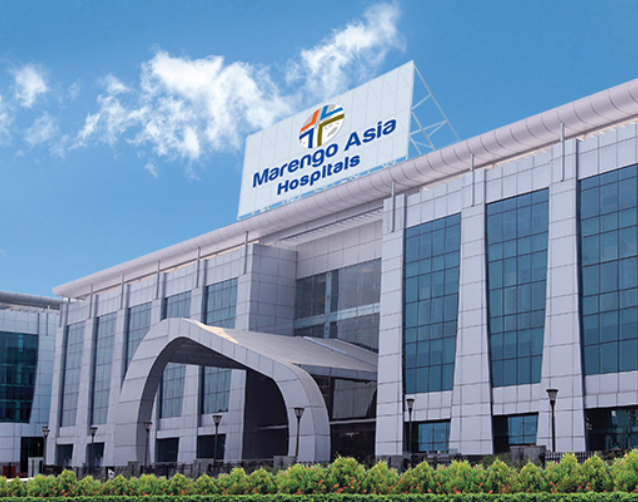
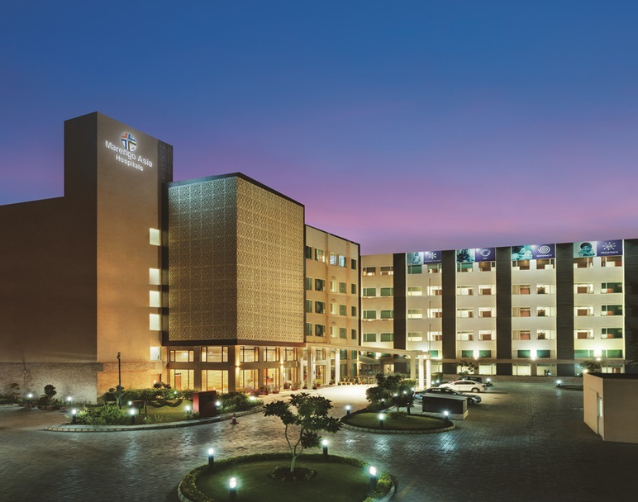
Access our World Class Stroke Rehabilitation
Our team of champions
Our team has gained substantial experience in treating stroke patients worldwide.


Please Enquire
Tell us what you're looking for — we'll get back quickly.
Understanding Spinal Cord Injuries
Spinal Cord Injury (SCI) is damage to the spinal cord that results in partial or complete loss of motor function, sensation, or autonomic function below the level of injury.
Causes of SCI May Include:
- Road traffic accidents
- Sports injuries
- Medical conditions (tumors, infections, or inflammation)
- Surgical complications
Classification of SCI:
- Complete Injury: No sensation or movement below the injury level
- Incomplete Injury: Some preserved sensation or movement
- Quadriplegia: Affects arms, legs, trunk, and pelvic organs
- Paraplegia: Affects lower body only
Why Spinal Cord Rehabilitation Is Essential
Recovery after SCI depends not only on the level of injury but also on early, intensive, and structured rehabilitation. At MediRehab, we focus on:
- Maximising function and independence
- Preventing secondary complications (like pressure ulcers, contractures, respiratory infections)
- Supporting psychological adjustment and social reintegration
- Reintegrating into work, school, or community roles
Even in complete injuries, rehabilitation improves quality of life, health outcomes, and emotional resilience.
Coordinated Medical Management
SCI recovery is complex, and requires ongoing medical supervision. Our team ensures that all systems are cared for.
- Bladder & Bowel Management: Training, medications, catheterization support, and continence programs
- Respiratory Support: For cervical injuries, we monitor lung capacity and provide breathing exercises or non-invasive ventilation
- Spasticity & Pain Management: Medications, injections, and therapy for stiffness, neuropathic pain, or muscle spasms
- Sexual Health & Fertility Support: Sensitive guidance and treatment for related challenges
- Mental Health Care: Support for adjustment disorders, depression, PTSD, and anxiety
When Should You Start SCI Rehab?
Early rehab is a key to better long-term outcomes. Starting early allows us to preserve range of motion, build strength, and begin training for independence before complications arise.
Recovery depends on the level and completeness of injury, early surgical/medical intervention, and intensive, specialized rehabilitation.
- Immediate (0–3 months): Acute medical stabilization, prevention of complications, and beginning inpatient rehab to retain neural plasticity and prevent muscle atrophy.
- Short-term (3–6 months): Gains in strength, mobility, and independence with adaptive equipment; bladder/bowel training; and initial wheelchair mobility training.
- Mid-term (6–12 months): Maximized functional recovery, possible transition to walking with aids (for some), and advanced training in activities of daily living.
- Long-term (more than a year): Adaptation to permanent changes, community reintegration, maintenance of health, and use of advanced technologies (e.g., FES, exoskeletons) to support independence.
Expected outcomes include optimal functional recovery, improved autonomy, prevention of secondary complications, and successful psychological and social adaptation.
Get a Custom Plan
Rebuild strength from anywhere—book your online rehab consultation and receive a personalised neuro-rehab plan for lasting recovery.
Contact Us