
Muscular Dystrophy
At MediRehab, we understand that Muscular Dystrophy (MD) is more than a diagnosis, it's a lifelong challenge that affects mobility, independence, and emotional well-being. Our mission is to support children and adults living with MD through personalised rehabilitation, expert-led therapy, and the latest in assistive technology so you or your loved one can maximise strength, maintain function, and live life with dignity and hope.


Our Rehabilitation Approach for Muscular Dystrophy
Muscular Dystrophy is a progressive genetic condition but that doesn't mean you stop moving forward. At MediRehab, we focus on preserving what matters most: your function, comfort, and independence, tailored to the unique needs of each stage and type of MD.

Multidisciplinary Care Team
- Neurologists and Neuromuscular Specialists
- Pediatric and Adult Physiotherapists
- Occupational Therapists
- Respiratory Therapists
- Speech & Language Pathologists
- Psychologists and Social Workers
- Orthotists and Mobility Experts

Physical & Functional Therapy
- Strength & Stability Training
- Stretching & Contracture Prevention
- Mobility & Gait Support
- Orthotic & Bracing Support
- Occupational Therapy for Daily Activities
- Speech & Swallowing Therapy

Advanced Rehabilitation Technologies
- Virtual Reality (VR) & Interactive Therapy
- Robotic-Assisted Therapy
- Functional Electrical Stimulation (FES)
- Respiratory Therapy Tools
Rebuild strength from anywhere—book your online rehab consultation and receive a personalised neuro-rehab plan for lasting recovery.
Book Online TeleconsultationOur Centres of Excellence in Neurorehabilitation
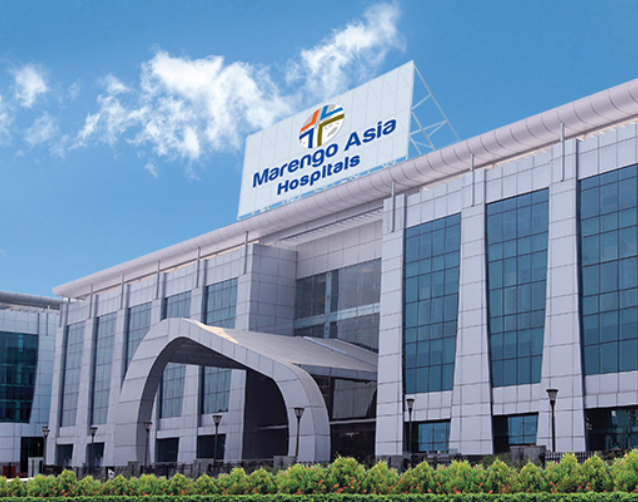
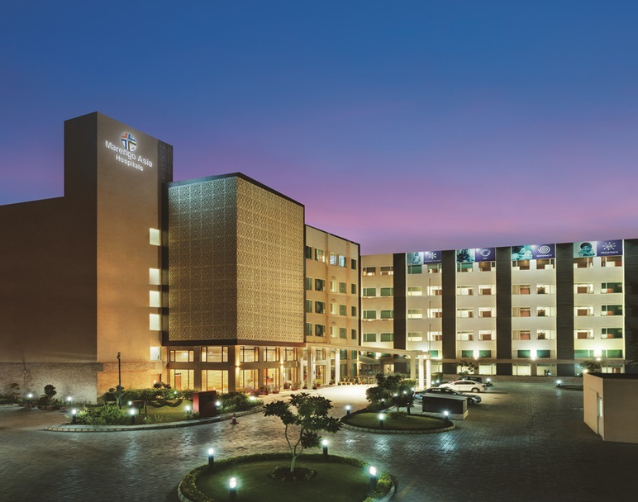
Access our World Class Stroke Rehabilitation
Our team of champions
Our team has gained substantial experience in treating stroke patients worldwide.


Please Enquire
Tell us what you're looking for — we'll get back quickly.
Understanding Muscular Dystrophy
Muscular Dystrophy (MD) is a group of 30 genetic disorders that cause progressive weakness and loss of muscle mass. Over time, the muscles become smaller and weaker due to mutations that interfere with the production of important muscle proteins.
Types of Muscular Dystrophy We Support:
- Duchenne Muscular Dystrophy (DMD)
- Becker Muscular Dystrophy (BMD)
- Facioscapulohumeral MD (FSHD)
- Limb-Girdle Muscular Dystrophy (LGMD)
- Congenital Muscular Dystrophy (CMD)
- Myotonic Dystrophy
- Emery-Dreifuss MD
Common Symptoms Include:
- Progressive muscle weakness
- Difficulty walking or frequent falls
- Waddling gait or toe-walking
- Muscle stiffness or cramps
- Breathing or swallowing difficulties
- Fatigue and reduced stamina
- Scoliosis or postural problems
- Learning or speech delays in some forms (especially in children)
Why Rehabilitation Is Essential in Muscular Dystrophy
While there is currently no cure for MD, early and ongoing rehabilitation can dramatically improve quality of life and slow the progression of symptoms.
Rehabilitation helps:
- Maintain joint range and flexibility
- Preserve muscle strength for as long as possible
- Prevent contractures and deformities
- Enhance mobility and independence
- Support breathing and posture
- Improve mental health and social participation
Coordinated Medical Management
At MediRehab, we don't just treat symptoms, we manage the whole picture with a proactive, preventive approach.
- Respiratory Monitoring: Early detection of breathing issues, non-invasive ventilation, and chest physiotherapy.
- Cardiac Care Support: For MD types affecting the heart, we coordinate with cardiologists for regular monitoring and medication.
- Nutrition & Weight Management: Dietary planning to support muscle function and reduce the risk of obesity-related complications.
- Mental Health Counseling: Coping with a chronic condition can be tough. Our psychologists and counselors are here to help.
When Should You Start MD Rehabilitation?
Rehabilitation should begin as soon as a diagnosis is made not when function is lost. Early intervention supports better long-term outcomes and allows families to prepare for future stages with clarity and confidence.
Progress depends on the type of MD, age of onset, rate of progression, and multidisciplinary care to preserve function and manage complications.
- Immediate (0–3 months): Comprehensive baseline assessment, starting physical and respiratory therapy, and planning assistive device needs.
- Short-term (3–6 months): Improved muscle strength and flexibility, slowed functional decline, and better use of mobility aids through regular therapy.
- Mid-term (6–12 months): Maintained range of motion, enhanced respiratory health, and adaptation of home/school environments for accessibility.
- Long-term (more than a year): Preservation of critical motor and respiratory function, prevention of contractures and scoliosis, and sustained quality of life through continuous multidisciplinary care.
Expected outcomes include delayed disease progression, maintained mobility, improved respiratory health, greater functional independence, and enhanced participation in daily life.
Get a Custom Plan
Rebuild strength from anywhere—book your online rehab consultation and receive a personalised neuro-rehab plan for lasting recovery.
Contact Us