
Multiple Sclerosis
At MediRehab, we understand that Multiple Sclerosis (MS) affects much more than physical movement—it touches every aspect of daily life, including cognition, mood, energy, and independence. Our goal is to support you and your loved ones with personalised rehabilitation, advanced therapies, and compassionate care so you can rebuild strength, regain confidence, and live life on your terms.


Our Rehabilitation Approach for MS
Every MS patient's experience is different. We start with a comprehensive assessment and co-create your rehab plan based on what matters most to you—whether it's walking independently, managing fatigue, or returning to your job or hobbies.

Multidisciplinary Care Team
- Neurologists and MS Specialists
- Physiotherapists
- Occupational Therapists
- Speech & Language Pathologists
- Clinical Psychologists
- Nutritionists & Social Workers

Physical & Functional Therapy
- Gait & Balance Training
- Strength & Endurance Training
- Flexibility, Spasticity & Posture Work
- Cognitive Rehabilitation
- Speech & Swallowing Therapy
- Occupational Therapy for Daily Living

Advanced Rehabilitation Technologies
- Robotic-Assisted Devices
- Virtual Reality (VR) & Gamified Rehab
- Functional Electrical Stimulation (FES)
- Sensory Cueing Systems
- Neurofeedback & Brain-Training Platforms
Rebuild strength from anywhere—book your online rehab consultation and receive a personalised neuro-rehab plan for lasting recovery.
Book Online TeleconsultationOur Centres of Excellence in Neurorehabilitation

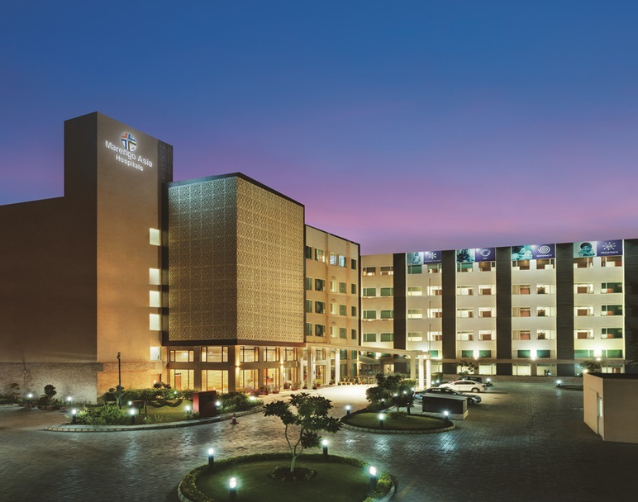
Access our World Class Stroke Rehabilitation
Our team of champions
Our team has gained substantial experience in treating stroke patients worldwide.


Please Enquire
Tell us what you're looking for — we'll get back quickly.
Understanding Multiple Sclerosis
Multiple Sclerosis (MS) is a chronic, autoimmune condition where the immune system mistakenly attacks the protective covering/layer of nerve fibers (myelin) in the central nervous system. This disrupts intricate communication between the brain and the rest of the body.
Common Symptoms Include:
- Fatigue and weakness
- Numbness or tingling in limbs
- Vision changes (blurry or double vision)
- Difficulty walking or maintaining balance
- Spasticity
- Speech difficulties
- Cognitive challenges like memory issues or brain fog
- Mood swings or depression
MS symptoms can vary widely and may come and go (relapsing-remitting) or worsen gradually.
Why MS Rehabilitation Is Essential
While there is no cure for MS, rehabilitation can significantly improve quality of life and reduce the impact of symptoms.
Rehabilitation can help:
- Improve physical function and strength
- Manage fatigue, one of the most common MS symptoms
- Enhance thinking and memory skills
- Promote independence in daily living
- Support emotional and mental health
- Prevent secondary complications such as muscle atrophy or falls
Coordinated Medical Management
We work in collaboration with your neurologist and healthcare team to provide:
- Medication Monitoring: Ensuring optimal use of disease-modifying treatments (DMTs) and symptomatic medications.
- Spasticity Management: Through stretching, medication, and injections like botulinum toxin.
- Pain & Fatigue Strategies: From energy conservation techniques to tailored exercise programs.
- Mental Health Support: Addressing depression, anxiety, or cognitive changes through therapy and support.
When Should You Start MS Rehab?
Whether you were recently diagnosed or have been living with MS for years, rehabilitation can help at any stage. Starting early gives you a stronger foundation for managing your symptoms and adapting proactively.
Progress depends on the type of MD, age of onset, rate of progression, and multidisciplinary care to preserve function and manage complications.
- Immediate (0–3 months): Comprehensive baseline assessment, starting physical and respiratory therapy, and planning assistive device needs.
- Short-term (3–6 months): Improved muscle strength and flexibility, slowed functional decline, and better use of mobility aids through regular therapy.
- Mid-term (6–12 months): Maintained range of motion, enhanced respiratory health, and adaptation of home/school environments for accessibility.
- Long-term (more than a year): Preservation of critical motor and respiratory function, prevention of contractures and scoliosis, and sustained quality of life through continuous multidisciplinary care.
Expected outcomes include delayed disease progression, maintained mobility, improved respiratory health, greater functional independence, and enhanced participation in daily life.
Get a Custom Plan
Rebuild strength from anywhere—book your online rehab consultation and receive a personalised neuro-rehab plan for lasting recovery.
Contact Us